New England Wild Flower Society

Printed at http://plantfinder.nativeplanttrust.org/index.cfm/

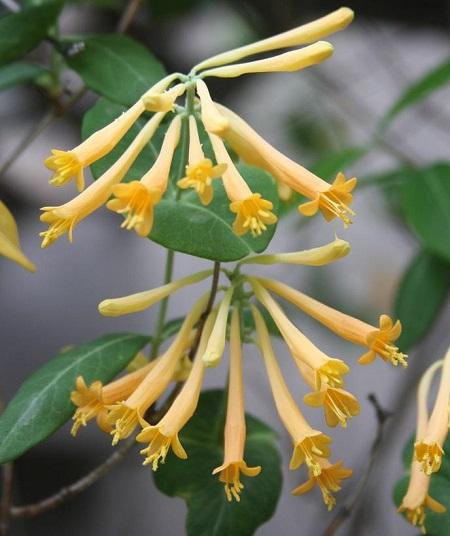
Lonicera sempervirens 'John Clayton'

John Clayton trumpet honeysuckle

One of several native species of honeysuckle in North America, trumpet honeysuckle is certainly the most attractive to hummingbirds, with slender, trumpet-shaped blooms. 'John Clayton' is a selection of Lonicera sempervirens forma suphurea found growing wild in a Virginia churchyard in 1991. This selection begins flowering in late spring and continues sporadically throughout the summer, concluding with long-lasting berries in terminal clusters. 'John Clayton' blooms yellow, as suggested by "forma suphurea," as in sulphur. Plant in full sun and support new stems by weaving them through a trellis or other structure for the best display.

Return to Plant Search Home


Height: 3-15 ft
Spread: 3-6 ft
Hardiness Zone: 4-9


Bloom Color: Yellow

Characteristics & Attributes

Cultivation Status
• Selection
Exposure
• Sun
• Part Shade
Soil Moisture
• Average
Ecoregion
• (83) Eastern Great Lakes Lowlands
• Not Ecotypic in New England
• (58) Northeastern Highlands
• (84) Atlantic Coastal Pine Barrens
• (59) Northeastern Coastal Zone
Ornamental Interest
• Summer Bloom
• Spring Bloom
Attracts Wildlife
• Host Plant
• Attracts Hummingbirds
• Attracts Bees
• Attracts Butterflies
• Other Pollinators/Wildlife
Tolerance
• Deer/Rabbit Resistant
• Compaction Tolerant
• Drought Tolerant
• Urban Environment
Additional Attributes
• Low Maintenance
Landscape Use
• Specimen
• Hedge/screening
Attractive Fall Foliage and/or Ornamental Fruit
• Orange to Yellow Fruit


North American Distribution


John Clayton trumpet honeysuckle - Lonicera sempervirens 'John Clayton' from Native Plant Trust