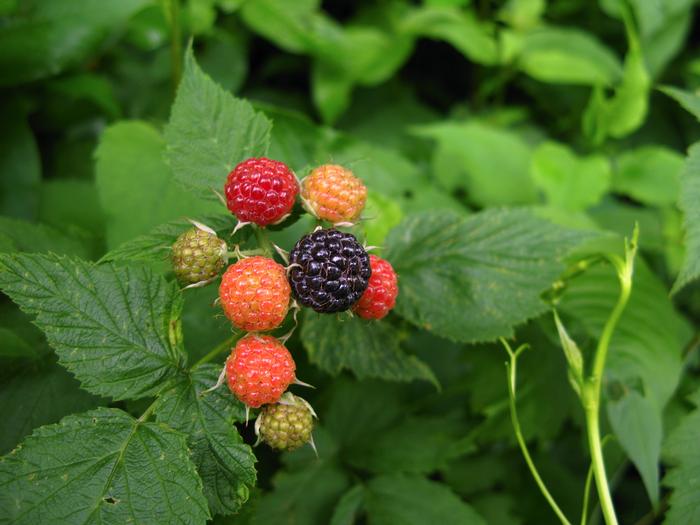
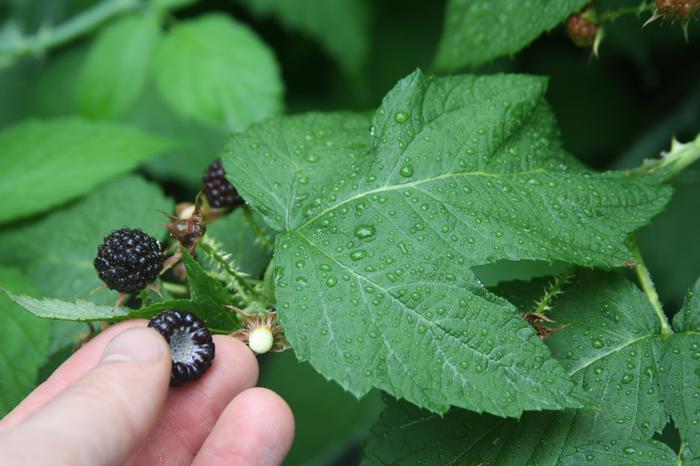
Telling the different species of Rubus apart can be a taxonomist's worst nightmare, but for one interested in eating, it doesn't matter – they're all edible. This species is the common black raspberry, which attracts birds into the mix with its tasty fruits. This plant suckers and will form a sizeable clump, so site accordingly!
Return to Plant Search Home
Cultivation Status
|
Exposure
|
Soil Moisture
|
Ecoregion
| • |
(58) Northeastern Highlands |
| • |
(83) Eastern Great Lakes Lowlands |
| • |
(59) Northeastern Coastal Zone |
| • |
(84) Atlantic Coastal Pine Barrens |
| • |
(82) Acadian Plains and Hills |
|
Ornamental Interest
| • |
Summer Fruit |
| • |
Spring Bloom |
|
Attracts Wildlife
| • |
Attracts Butterflies |
| • |
Attracts Bees |
| • |
Host Plant |
| • |
Attracts Songbirds |
| • |
Pollinator Powerhouse Plant |
| • |
Other Pollinators/Wildlife |
|
Tolerance
| • |
Drought Tolerant |
| • |
Urban Environment |
| • |
Deer/Rabbit Resistant |
|
Additional Attributes
| • |
Erosion Control/Soil Stabilization |
| • |
Low Maintenance |
| • |
Edible |
|
Landscape Use
| • |
Groundcover |
| • |
Massing |
| • |
Naturalize |
| • |
Hedge/screening |
|
Attractive Fall Foliage and/or Ornamental Fruit
|
Growth Habit
|